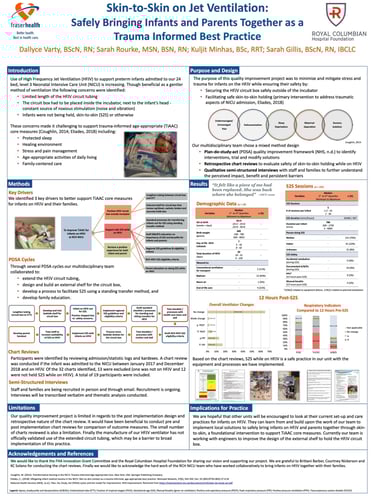
Our Advancements
Beyond providing neonatal intensive care, our team members actively work on developing new methods and care plans to further the quality and safety of care, as well as improve measurable outcomes for our patients. This is known as Quality Improvement (QI) projects.
QI projects and their findings are then presented at national and international conferences, allowing NICU teams to learn from each other’s experiences to achieve better outcomes for newborns across the country and beyond.
Learn more about what we are working on below!
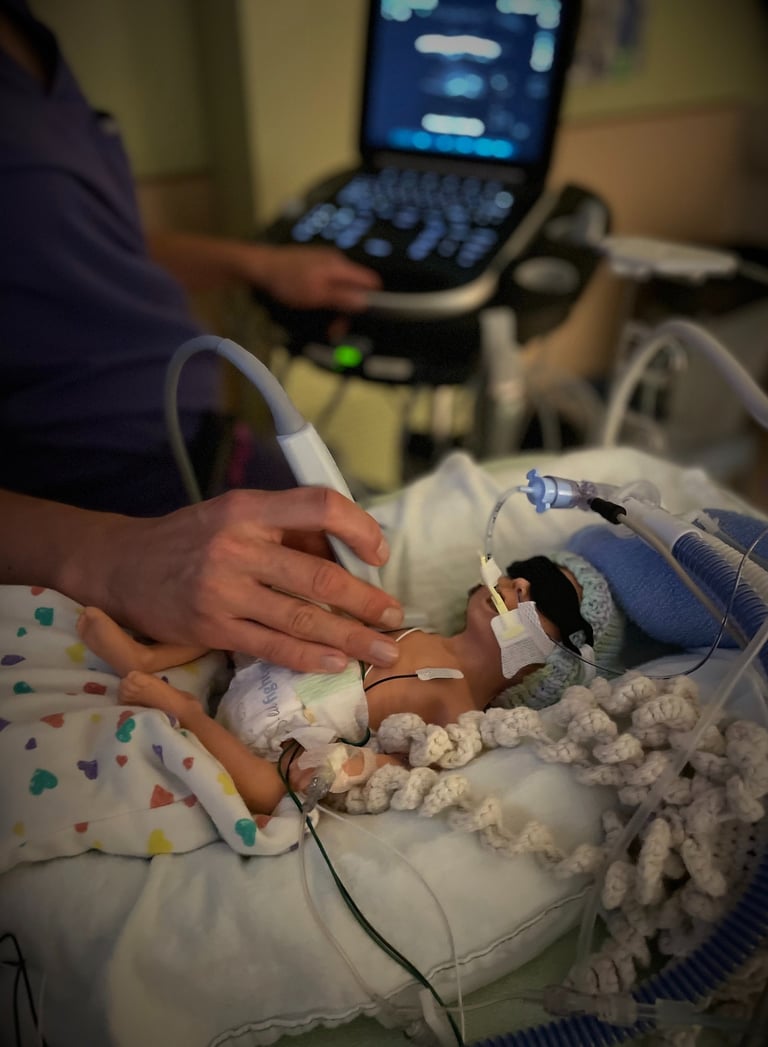
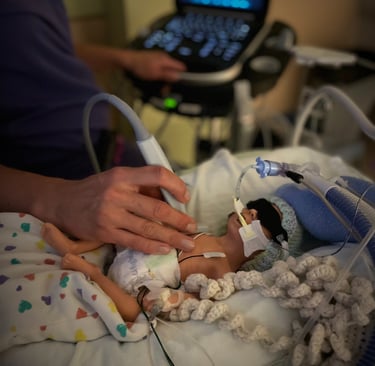
Exclusive Human Milk Diet for Micropreterms and Extremely Low Birth Weight Preterms
The Exclusive Human Milk Diet for micropreterms and extremely low birthweight preterms is a pilot project, supported by private donors through the RCH Foundation in collaboration with industry partners.
It is a continuation of our previous work on feeding intolerance of the preterm.
Micropreterms and extremely low birthweight preterms are at particular risk of feeding intolerance, difficulty gaining weight, as well as increased risk of complications of prematurity.
Our aim is to assess how human milk based fortifiers can help support our most fragile newborns, improve their growth and health outcomes.
This project is ongoing.
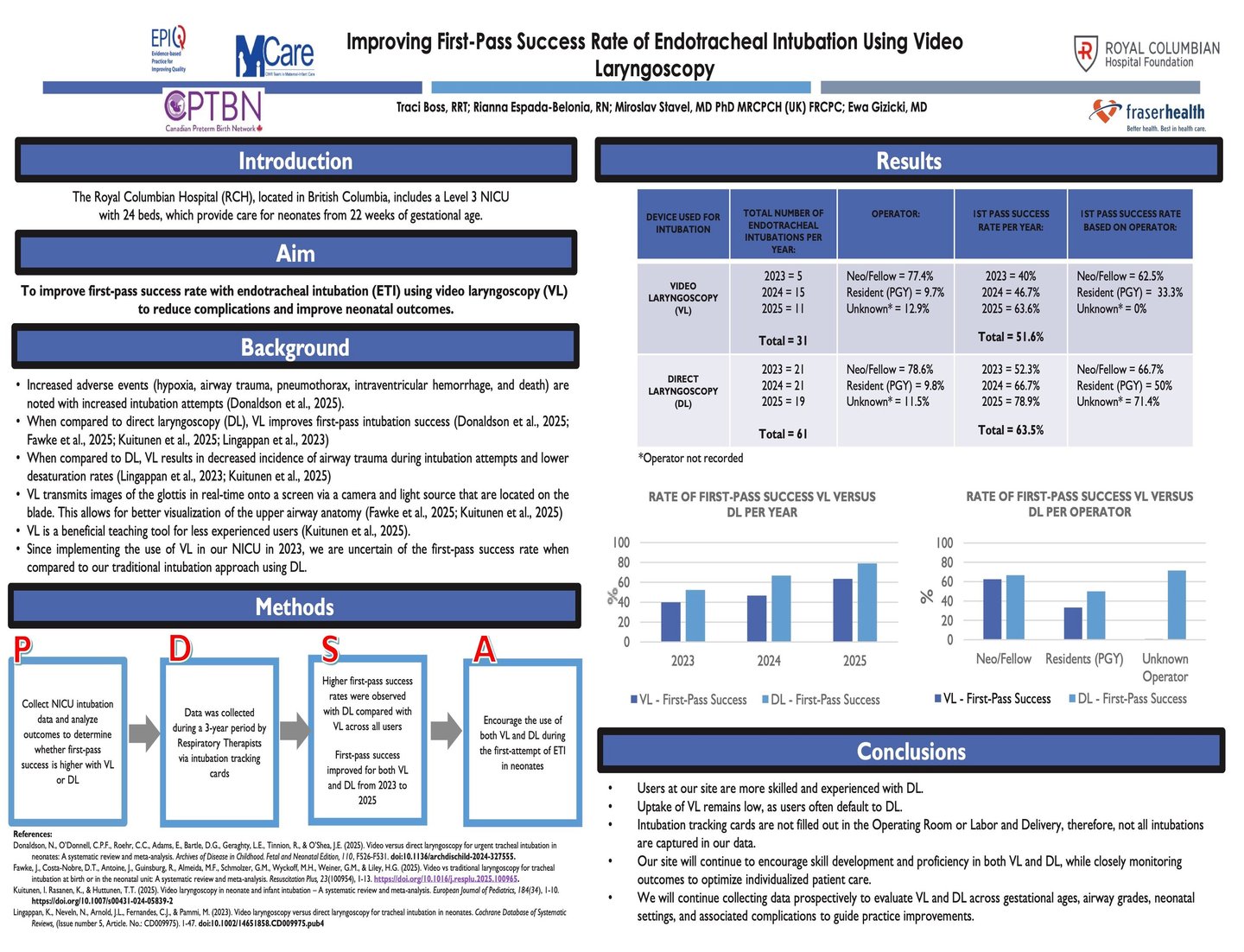
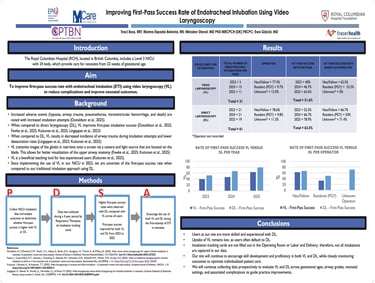
Improving First-Pass Success Rate of Endotracheal Intubation Using Videolaryngoscopy
Presented at EPIQ 2026
“Amalka’s Cocoon” – Infant Positioning QI Project.
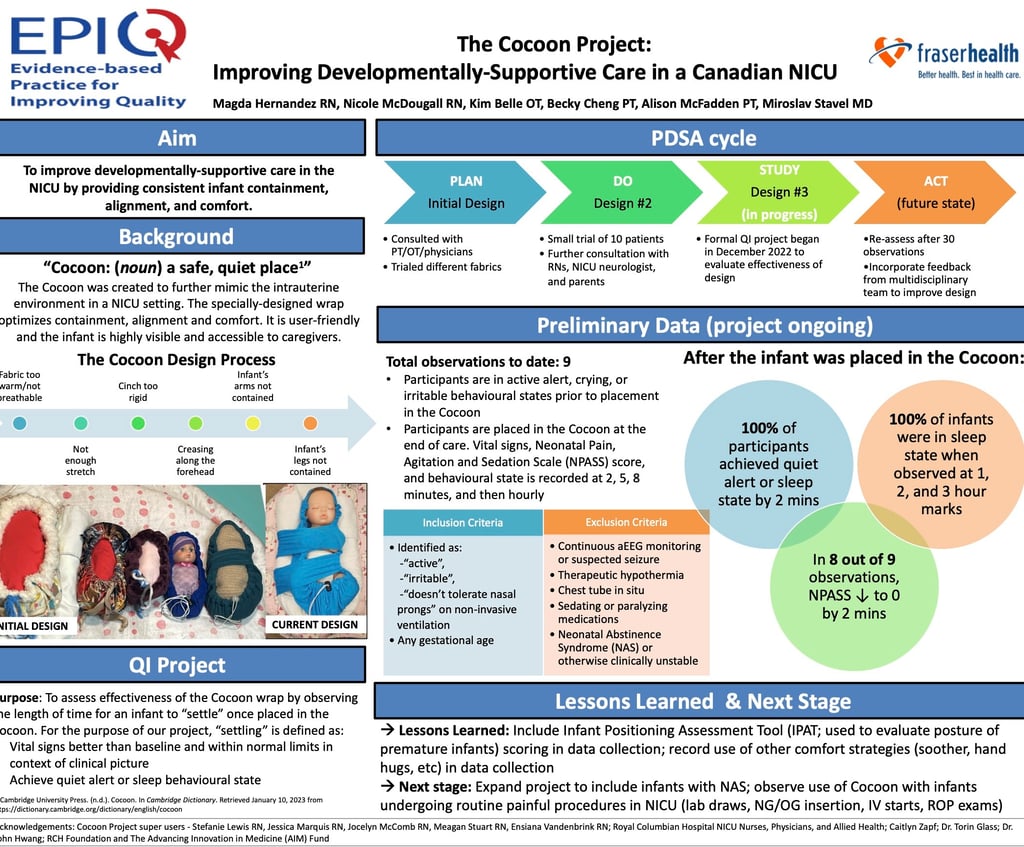
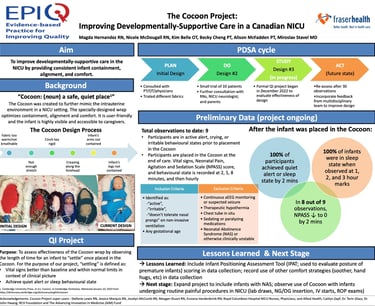
This project aims to improve the quality of sleep and comfort on NICU patients by optimizing infant positioning using a specially-designed blanket wrap that provides consistent containment and alignment in a supported, flexed posture.
This project is ongoing, currently in PDSA cycle 2, where inclusion criteria have been widened to further demonstrate the cocoon’s effectiveness versus standard care and positioning.
Thermoregulation of the microprem
Newborns have a limited capacity to thermoregulate. Microprems and very low birth weight newborns are at particular risk of hypothermia, which is associated with poorer outcomes.
Our data review shows hypothermia has affected 10% of microprems in the initial day of life. Through increased monitoring and awareness, and the introduction of thermal insulated hats, we have been able to effectively prevent hypothermia for these patients.
This project is ongoing.
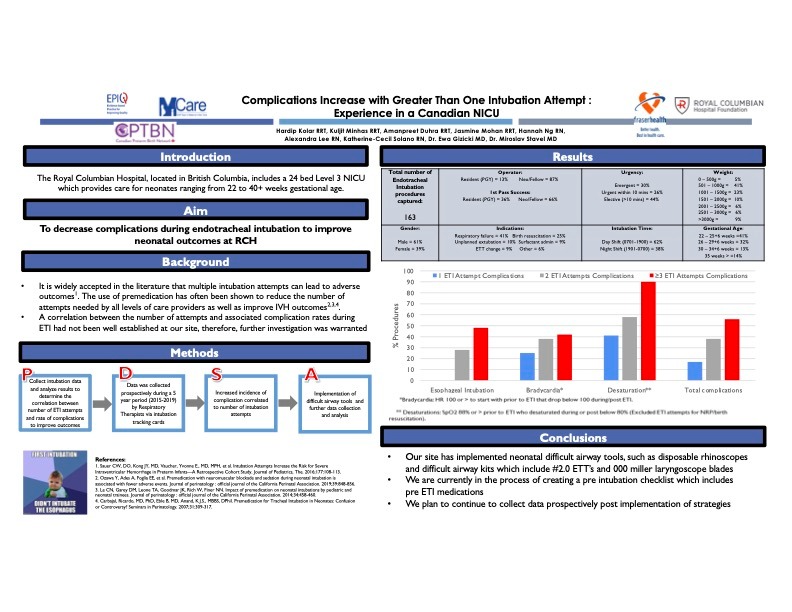
Complications increase with Greater Than One Intubation Attempt: Experience in a Canadian NICU
Presented at EPIQ 2020